There are journeys that take you across countries — and then there are journeys that quietly reshape how you see the world itself.
Across Kenya's golden plains, Uganda's mist-covered forests, Tanzania's endless savannahs, Namibia's sculpted deserts, Botswana's water-filled wilderness, Zimbabwe's raw landscapes, and South Africa's layered ecosystems — safari travel becomes something far greater than movement.
It becomes rhythm.
A rhythm of early dawn engines starting in silence. A rhythm of dust rising behind safari vehicles at sunrise. A rhythm of sudden stillness when the wild appears without warning.
For Heike, Africa is not a single memory. It is a collection of thousands of moments — some loud with excitement, others so quiet they feel almost spiritual.
And when you piece them together, they do not form a trip. They form a life.
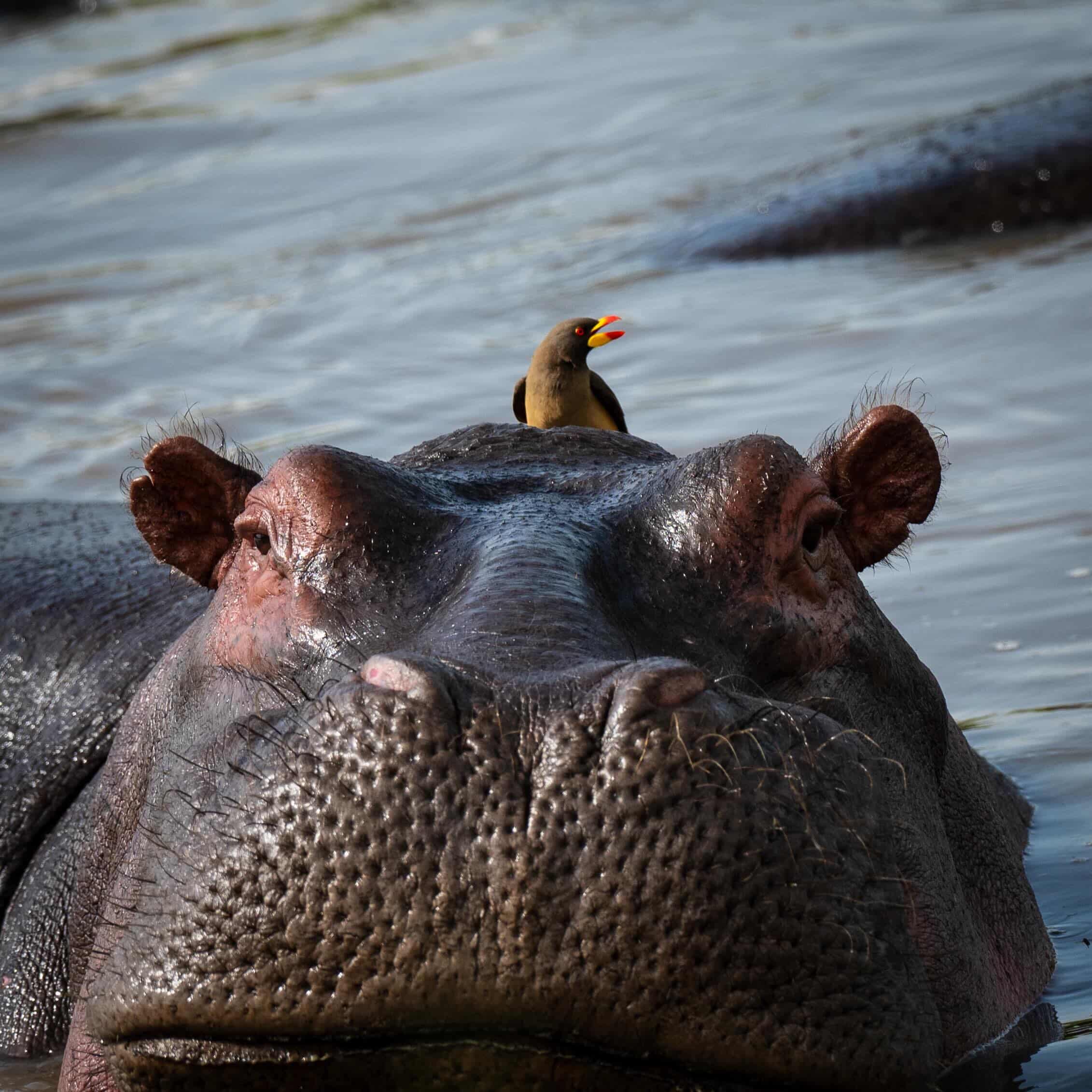
A continent unfolding in fragments of time.
Over the years, Heike has moved through seven African countries — not as a tourist passing through, but as someone returning again and again to the same living wilderness, each time noticing something new.
The journeys stretch across extremes. A single day spent inside a national park, where time feels compressed. Short stays in remote lodges where nights are filled with distant animal calls. Extended expeditions lasting up to three months, where the wild slowly becomes familiar. A budget spectrum ranging from €2,000 to €40,000 — where experience is shaped more by depth than by cost.
Some safaris are done in silence, driving self-guided through open parks. Others unfold from the air during fly-in safaris, where the land below looks like a painting shifting under clouds. And sometimes it is the slow rhythm of road travel — dusty roads, border crossings, and long horizons that never seem to end.
Accommodation changes constantly. One night, a simple glamping tent lit by lantern glow. Another, a luxury lodge with glass walls opening directly into the savannah. And in between — places where wildlife is not visited, but simply lives alongside you.
What remains consistent is not comfort or route. It is encounter. The unpredictability of Africa. The fact that no two mornings ever begin the same way.
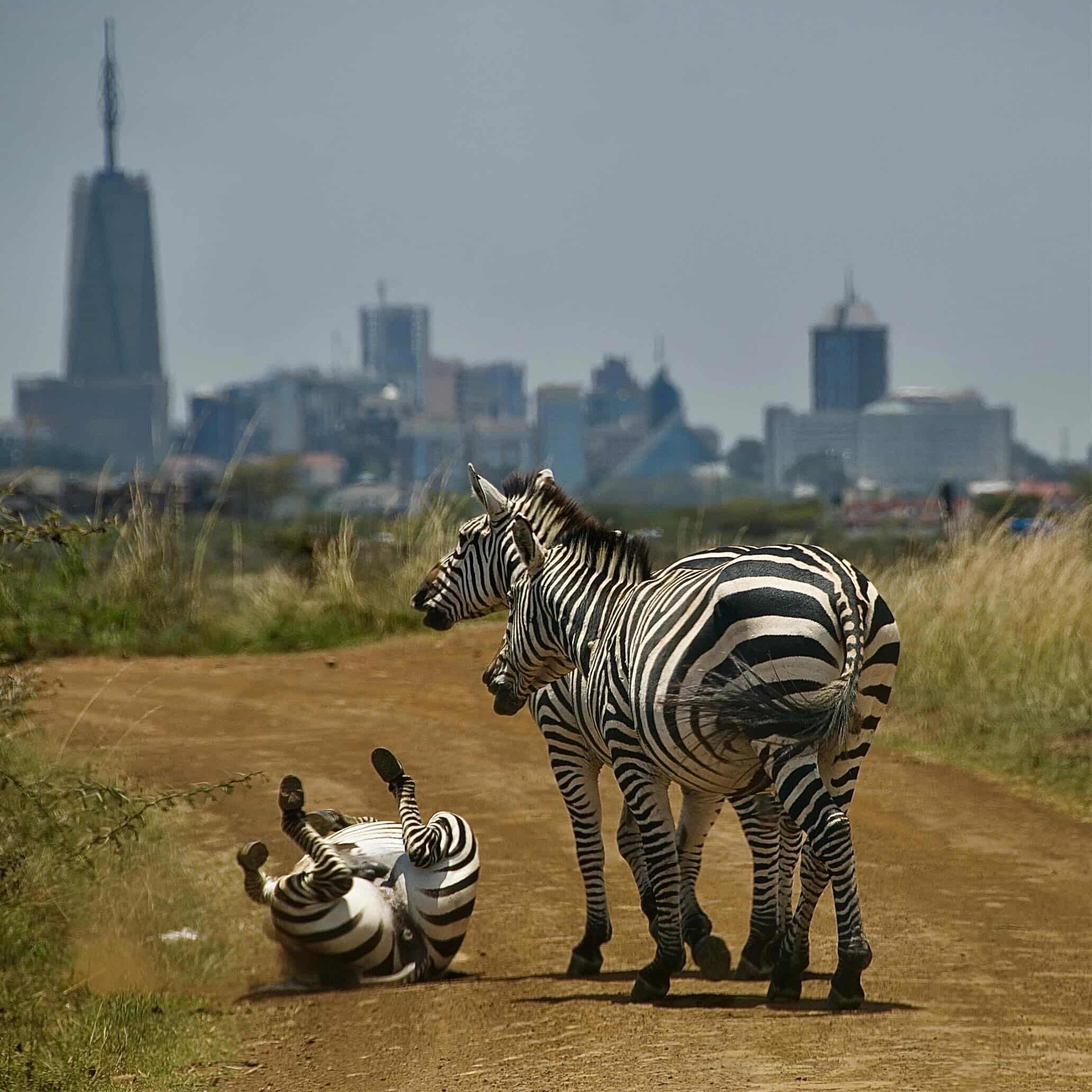
Each country speaks its own language of wild.
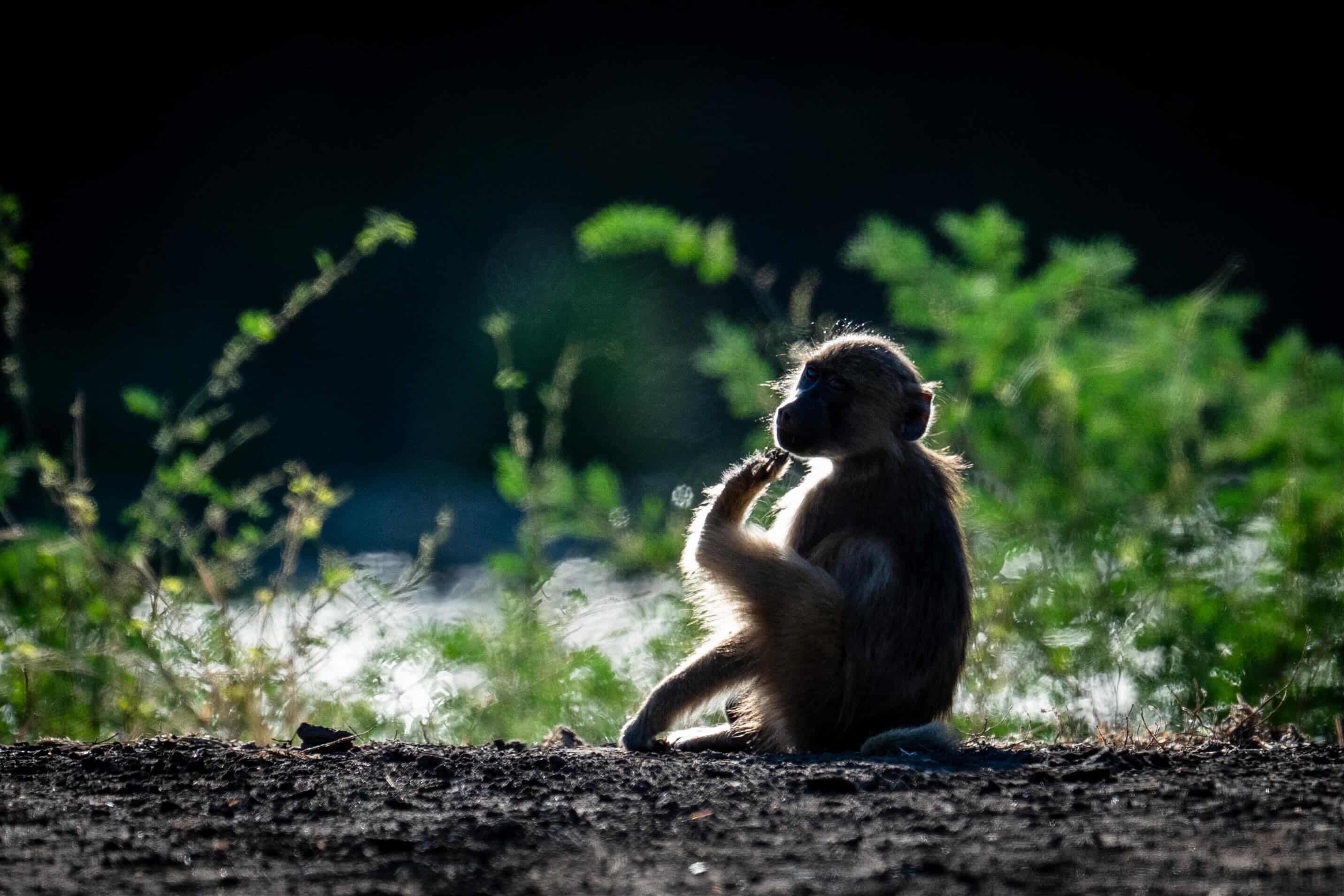
The forest that breathes closely.
Uganda does not reveal itself in wide horizons. It pulls you inward.
Here, the wilderness is dense, humid, and deeply personal. Mist clings to the treetops in the early morning, and every step into the forest feels like entering a world that existed long before humans arrived.
Gorilla trekking is not a spectacle — it is an encounter that feels almost ancestral. You don't watch from a distance; you sit near presence itself. Chimpanzees move through the canopy like echoes of movement rather than visible forms.
Yet beyond this intimacy, Uganda is still growing in its safari diversity. Wildlife beyond primates is less abundant — but what it offers instead is rare: closeness. A feeling that the wild is not far away, but right beside you.
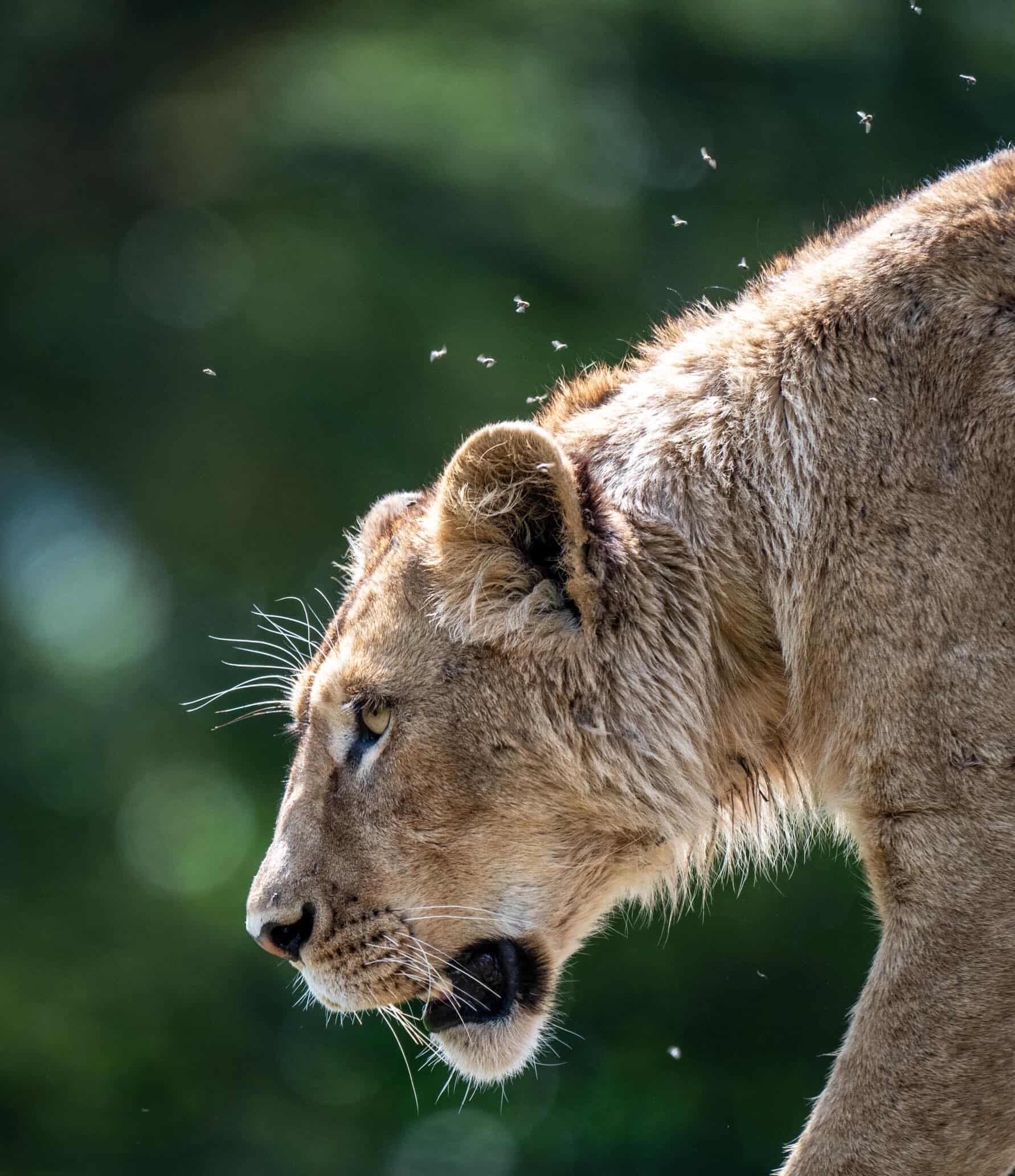
The beauty of scale — and the weight of crowds.
Tanzania is vast in a way that is difficult to fully comprehend until you are inside it. The Serengeti stretches so far that the horizon feels like it is constantly retreating. Herds of animals move like living weather systems across the plains.
But timing changes everything.
In high season, the silence of the wild is interrupted by something modern — lines of safari vehicles converging on the same sighting. Lions resting in tall grass become surrounded not by predators or prey, but by engines and cameras. It is still beautiful — but no longer solitary.
Outside peak season, however, Tanzania changes completely. The land opens again. Movement becomes rare and meaningful. The wilderness feels like it is breathing on its own terms.
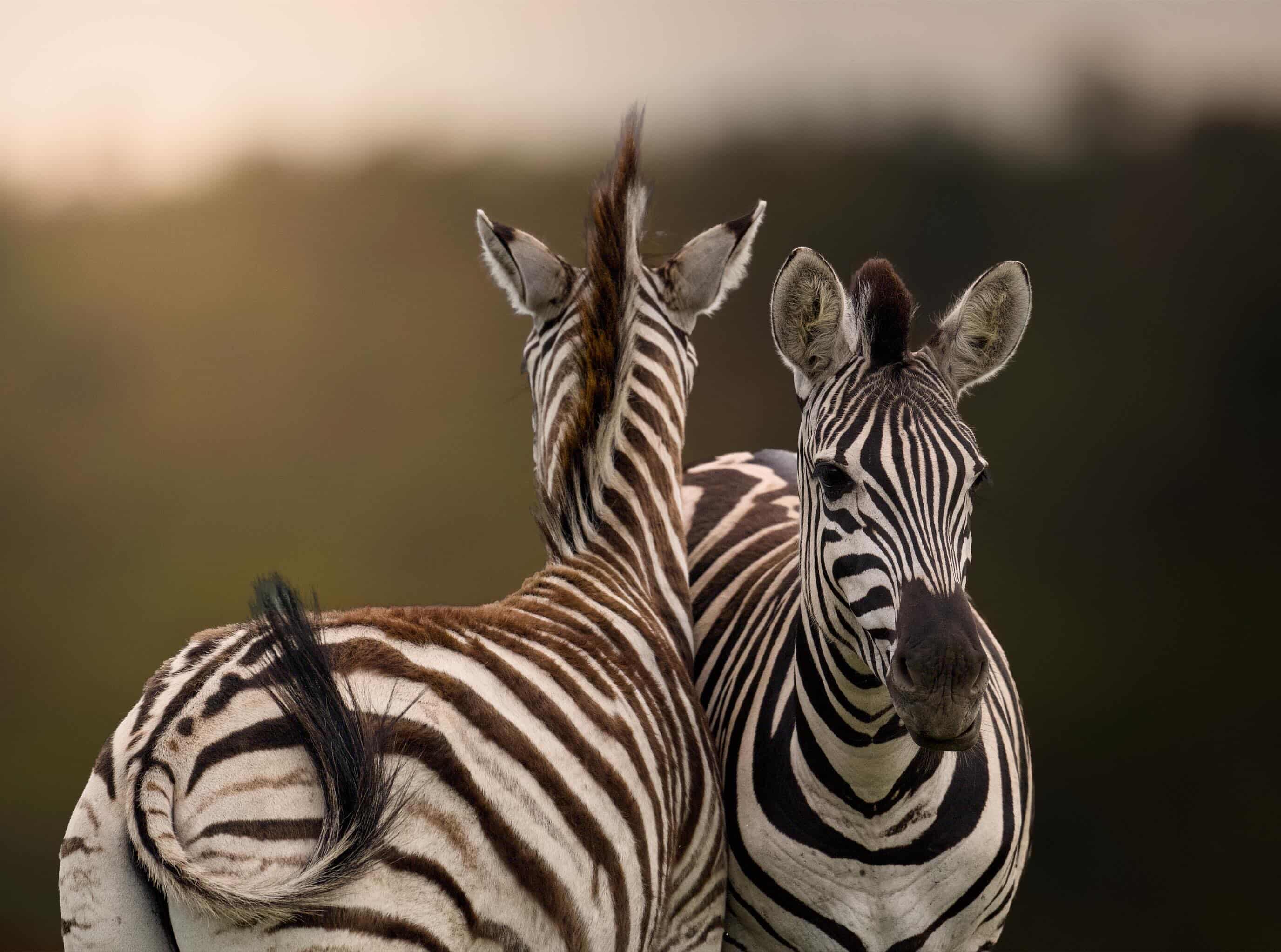
Beauty framed by value and access.
Kenya's landscapes remain some of the most visually striking in Africa — rolling savannahs, acacia trees silhouetted against burning skies, and wildlife-rich national parks that feel cinematic at every turn.
But experience here comes at a cost. Safari travel has become increasingly expensive, shifting Kenya into a more premium category. What was once widely accessible now requires careful planning.
Yet the beauty remains untouched. The land still tells the same ancient story — it is only the access that has changed.
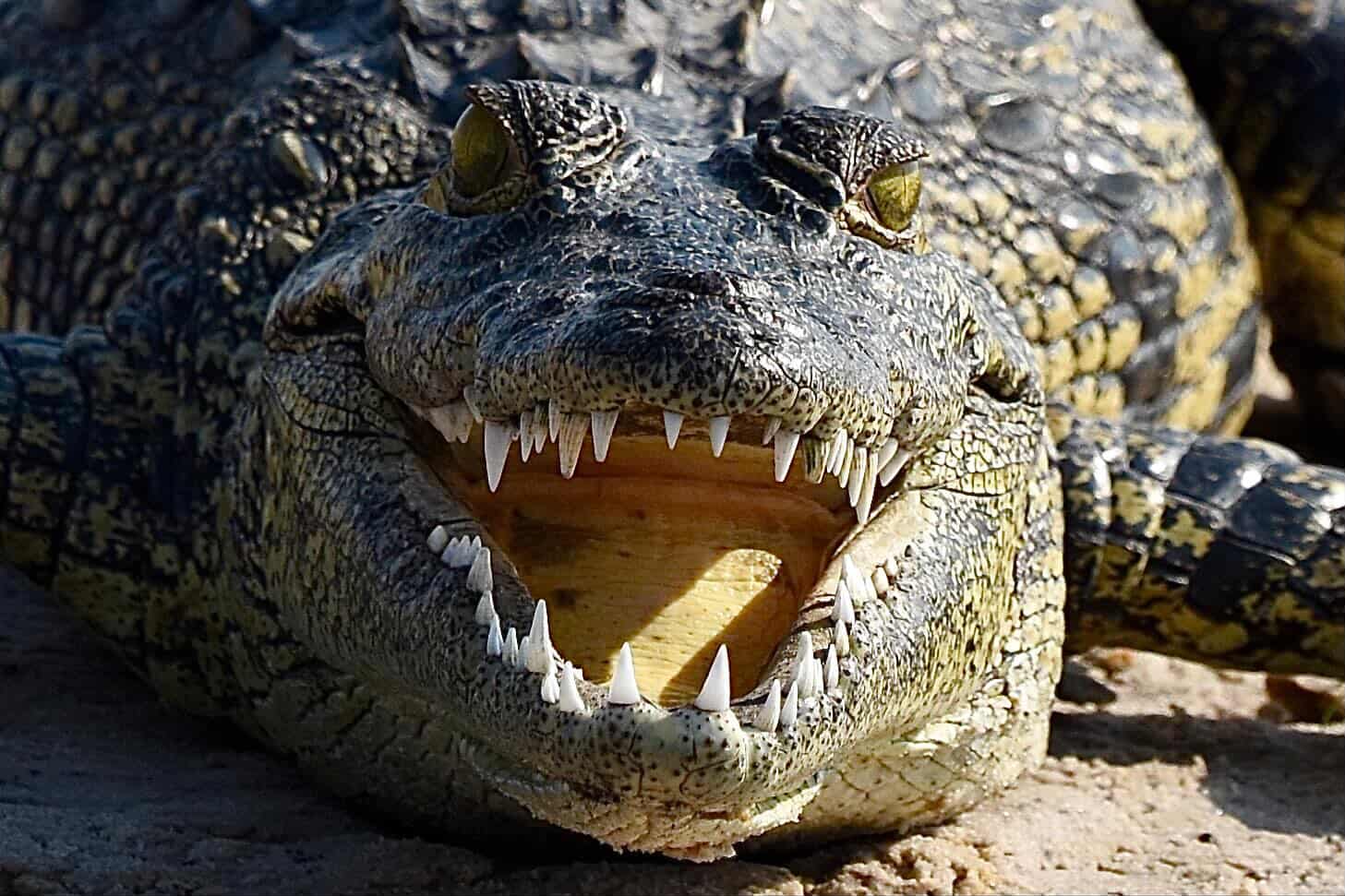
The silence of space.
These are countries defined not by what is seen, but by what is not crowded.
Botswana and Zimbabwe feel expansive in a different way. The wilderness is quieter, less interrupted, more controlled. Sightings are not shared with dozens of vehicles. They are experienced slowly, respectfully, often in near silence.
The cost is higher — but what you receive in return is space. Space to observe. Space to breathe. Space to feel like the only witness.
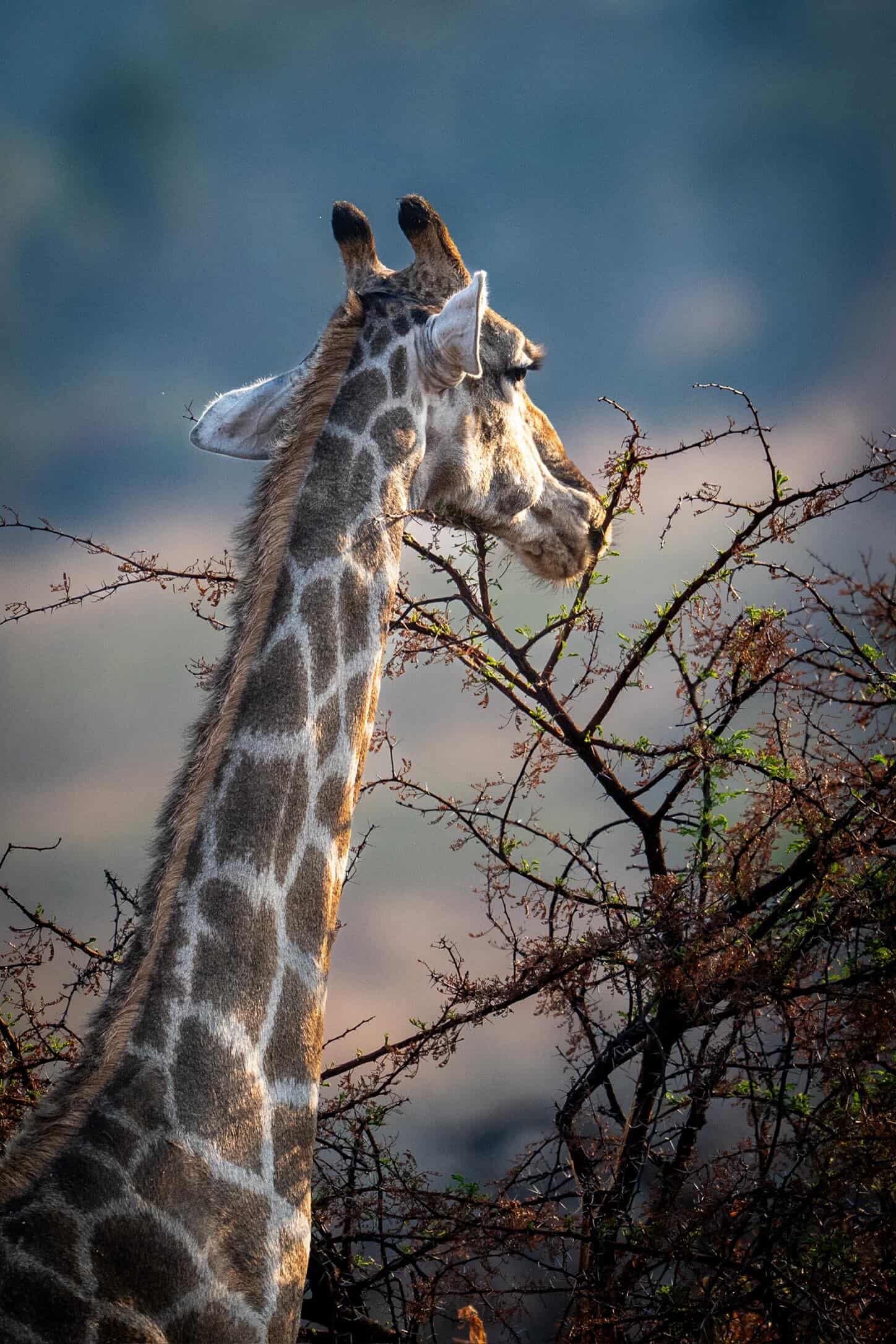
Where the earth becomes sculpture.
Namibia does not behave like a typical safari destination. Wildlife is not always the focus. Instead, it is the landscape itself that dominates everything.
Endless desert dunes shift colour with the sun — from deep orange at dawn to pale gold under midday heat. Rock formations stand like ancient monuments. Roads stretch so far that they begin to feel like thoughts rather than paths.
This is a country where emptiness is not absence — it is presence. A different kind of beauty.
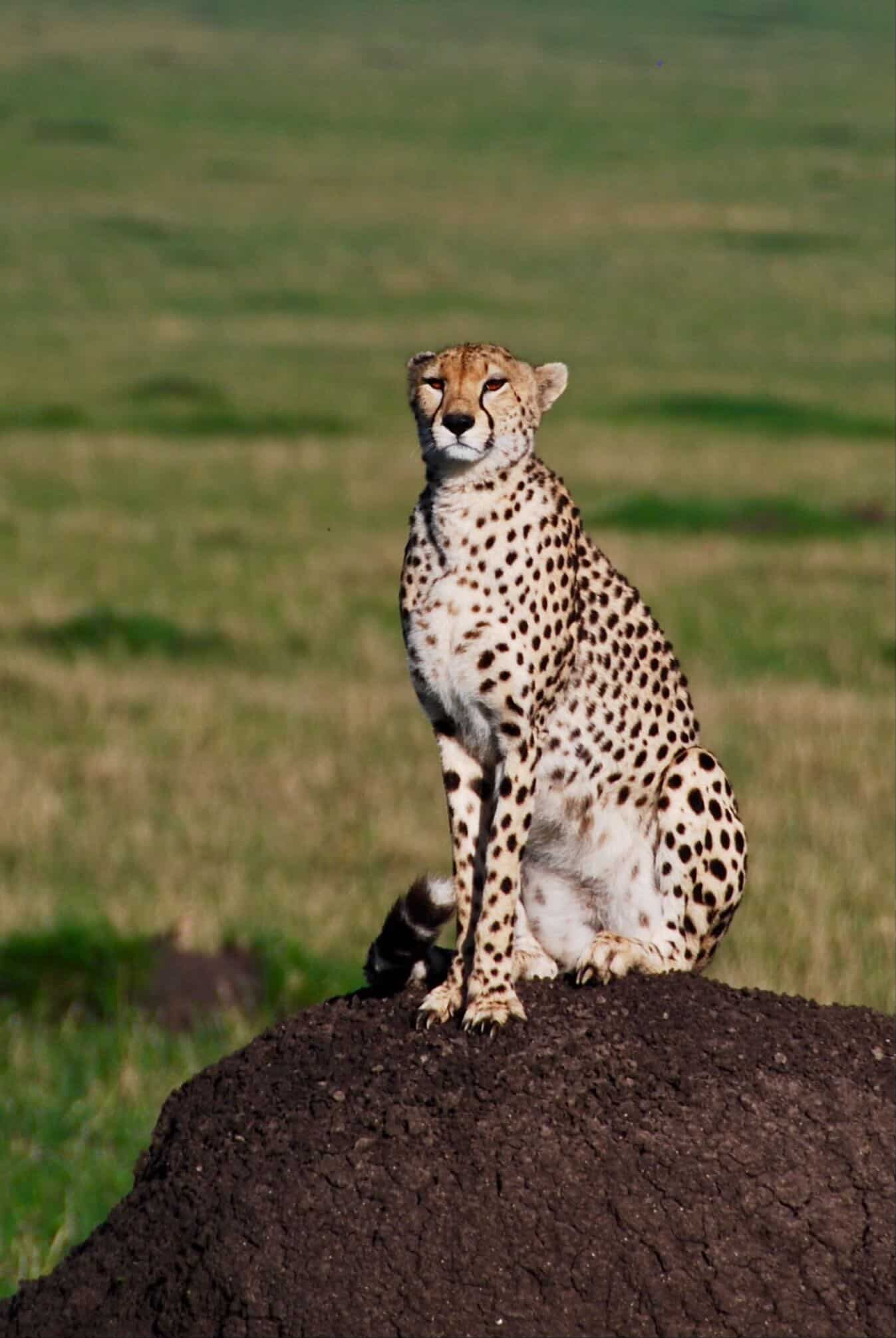
The entire safari world in one place.
South Africa contains contradictions that somehow work together. It is one of the few places where safari travel can be fully customised — from budget camping experiences to ultra-luxury lodges. Self-driving is simple and accessible, allowing travellers to move independently through national parks.
But crowds can become an issue, especially during weekends and holidays, when popular parks fill quickly.
Private game reserves, however, transform everything. With strict rules limiting the number of vehicles at sightings — often no more than three — the experience becomes controlled, respectful, and deeply immersive.
There is waiting. There is patience. There is silence. And in that silence, wildlife feels truly undisturbed.
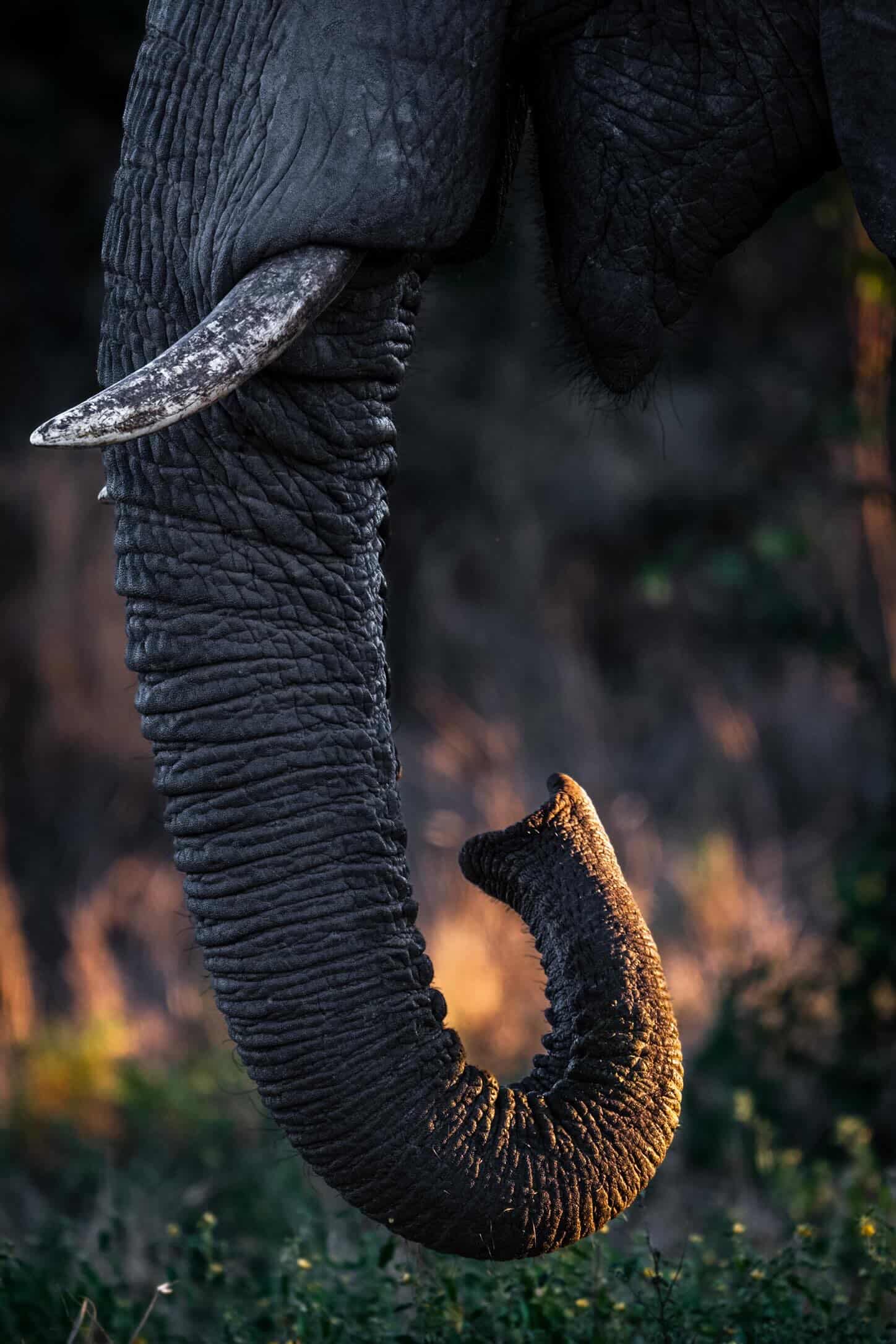
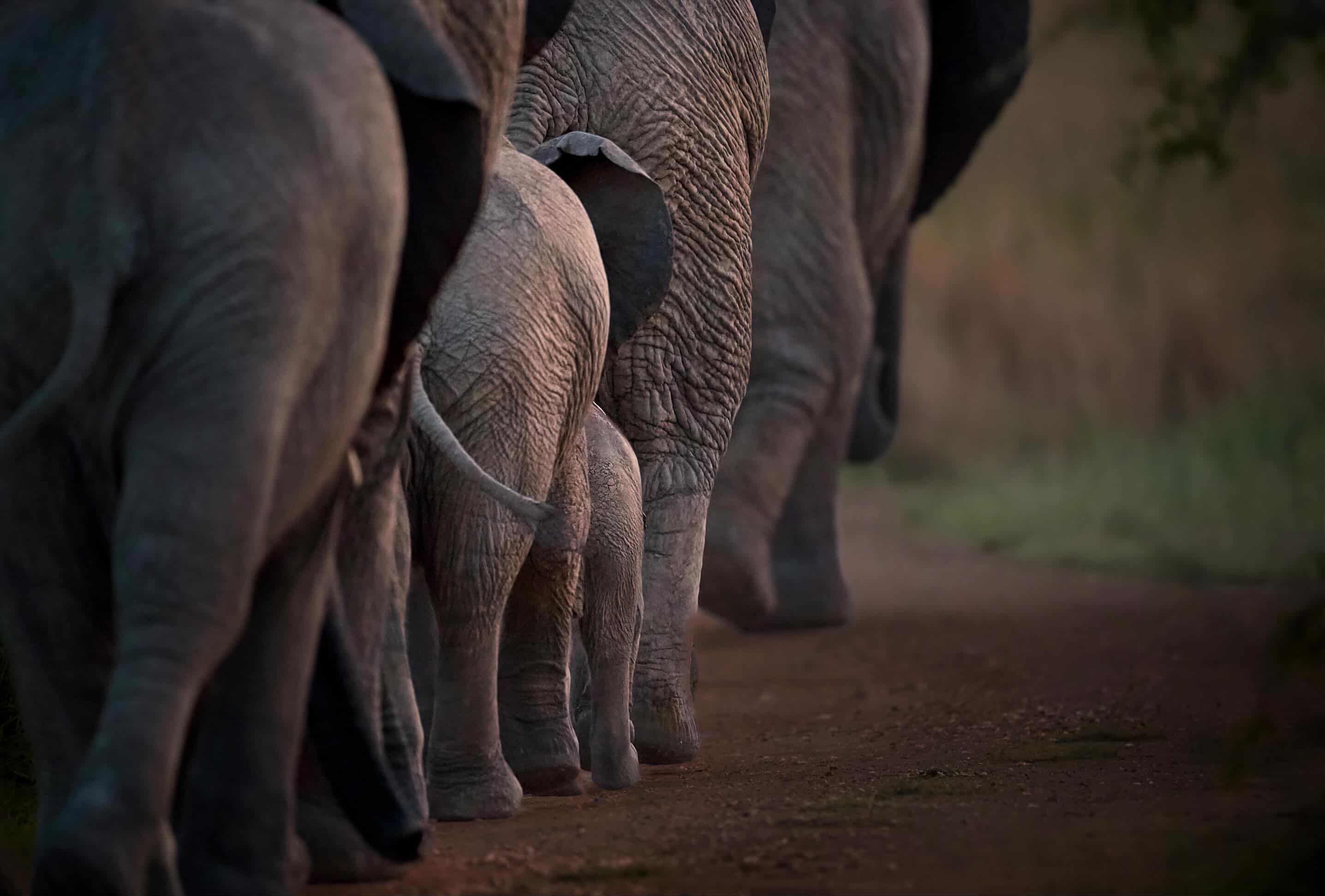
An elephant. A touch.
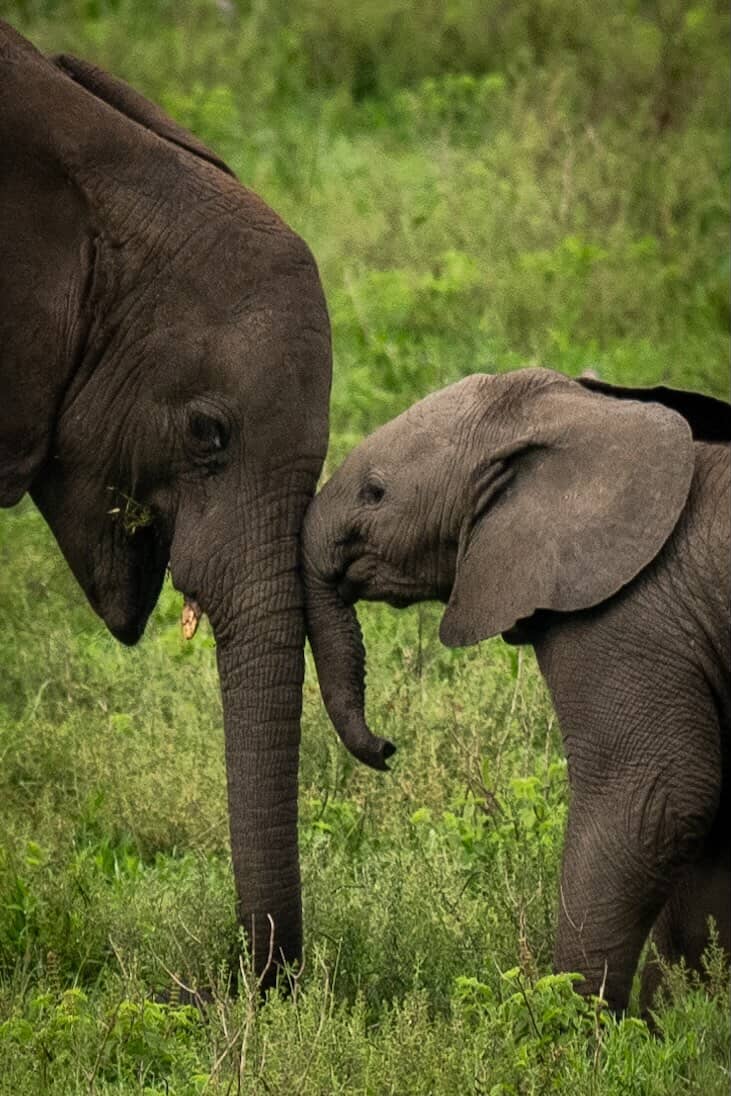
Among all safaris, all landscapes, all sightings — there is one moment that does not fade.
An elephant approached slowly. Not with urgency. Not with fear. But with calm curiosity. The distance between human and animal disappeared in stages — first visual, then physical, then emotional.
And then it happened.
A gentle reach. An elephant's trunk touched a human arm.
There was no performance in the moment. No noise. No instruction. No camera urgency. Just stillness so complete it felt like the world had paused to witness itself.
In that touch, something unspoken passed — recognition, perhaps. Or simply coexistence.
And then, as quietly as it arrived, the moment ended.
But it never really left.
Lessons learned from a life of safaris.
Over years of travel, patterns become clearer than places.
- 01Pack light — two outfits are enough. Lodges provide laundry; excess luggage is unnecessary.
- 02Practical clothing matters more than style. Comfort always beats appearance in the bush.
- 03Stay at least two to three nights per lodge to truly connect with a place.
- 04Smaller groups create better wildlife experiences.
- 05Silence in safari vehicles is not a suggestion — it is respect.
- 06Cash for tipping remains important across most regions.
- 07Africa rewards patience more than planning perfection.
What Africa really teaches.
Africa does not present itself as a single experience. It is fragmented, diverse, and constantly shifting.
- Uganda teaches closeness.
- Tanzania teaches timing.
- Kenya teaches value and access.
- Botswana & Zimbabwe teach silence.
- Namibia teaches perspective.
- South Africa teaches balance.
But together, they reveal something larger.
That wilderness is not a place you visit. It is a presence you learn to respect.
And the more time you spend within it, the more you begin to understand that safari travel is not about collecting sightings.
It is about learning how to see.
Fin
Heike / she / her
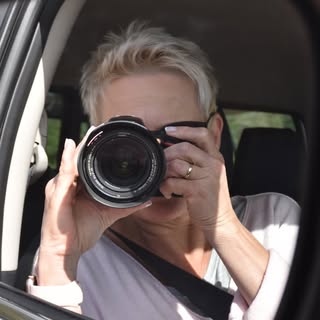
Female travel photographer. All photos are hers — no AI. Life is better in the African bush.
@seen.through.my.lenses